
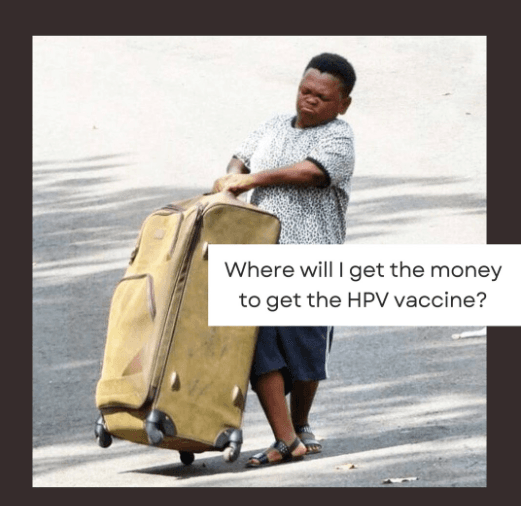
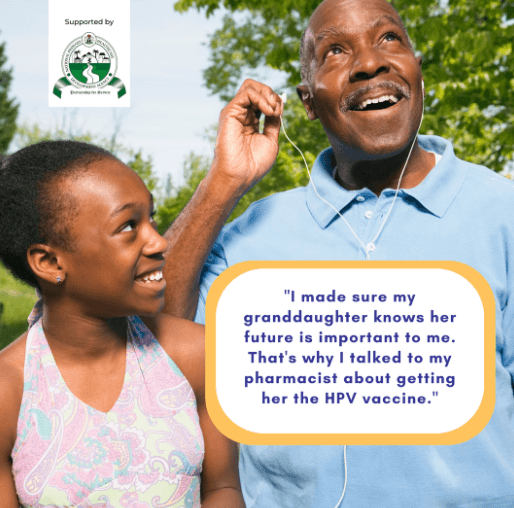
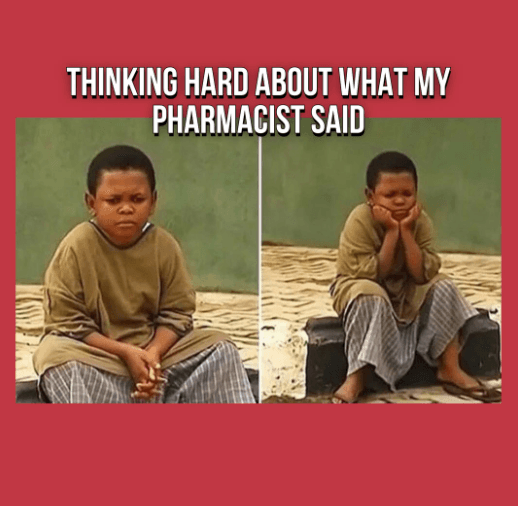
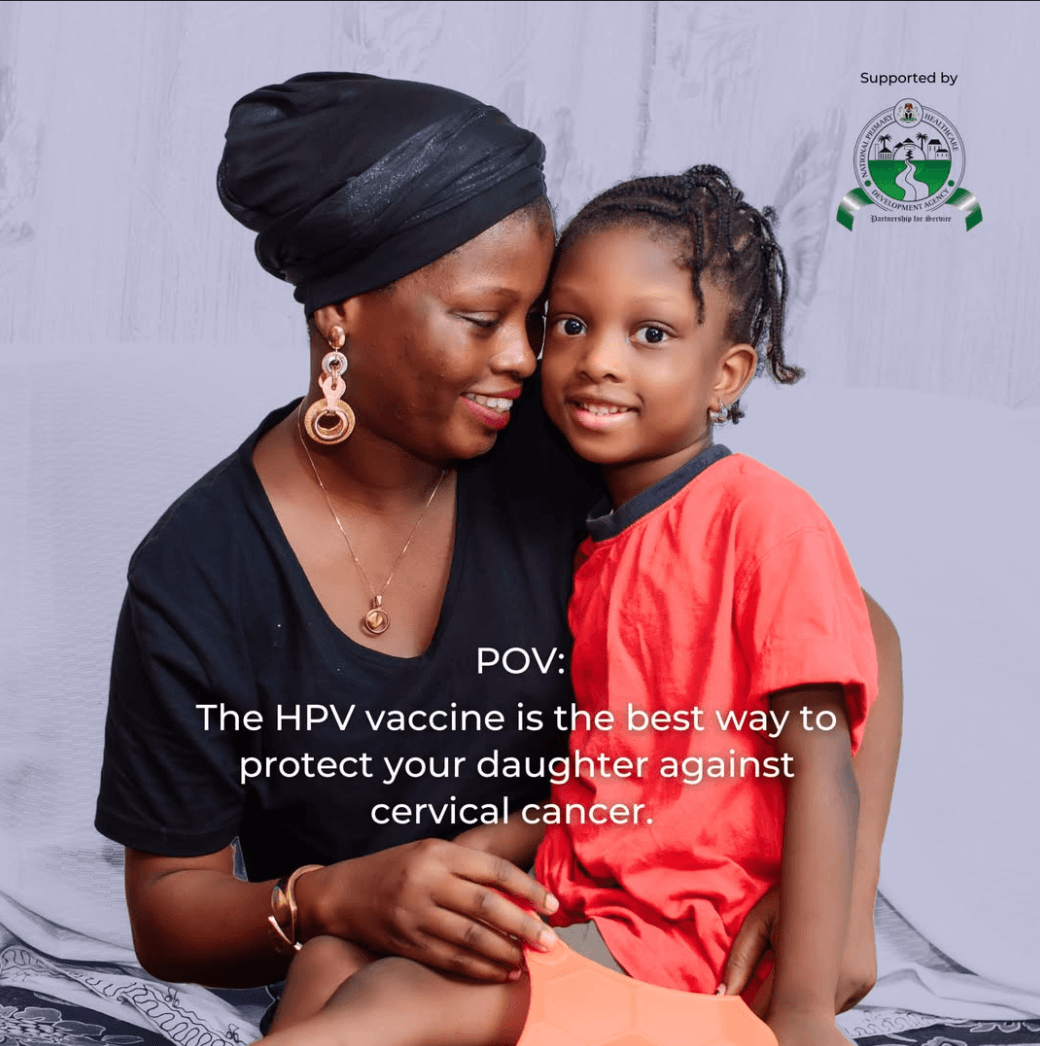

Creative assets
Audience personas
Nigerian states
Months in market
How It Worked
The campaign applied the FOGG Behavior Model — the idea that behavior change happens when Motivation, Ability, and a Prompt converge at the same moment.
Motivation
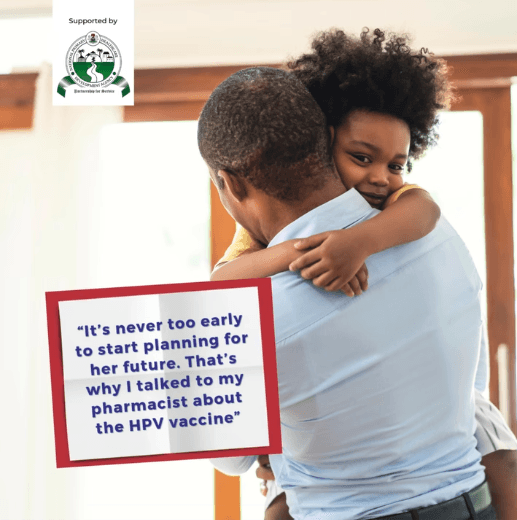
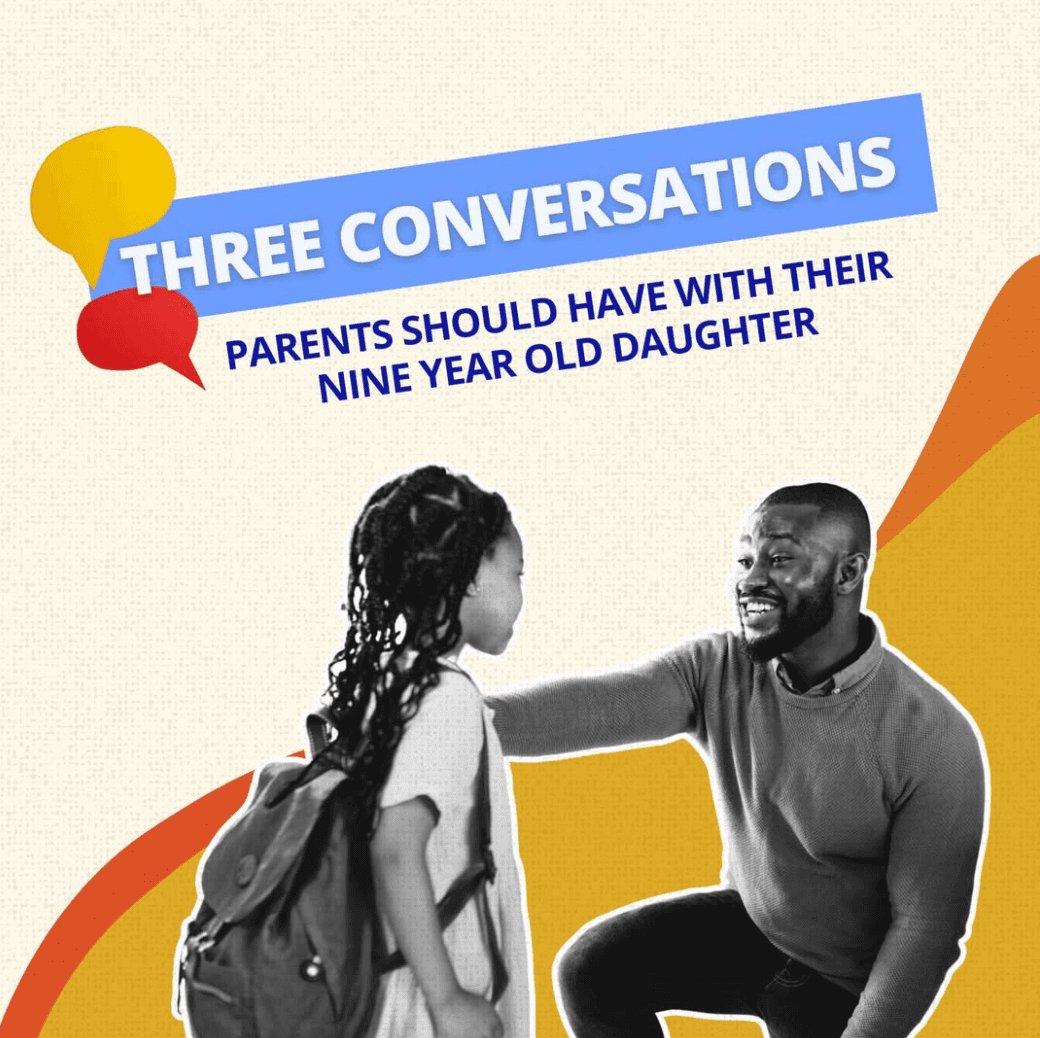
Hope and aspiration framing consistently outperformed fear-based messaging. Social norms — showing what other families were doing — proved more powerful than telling people what they should do.
Ability
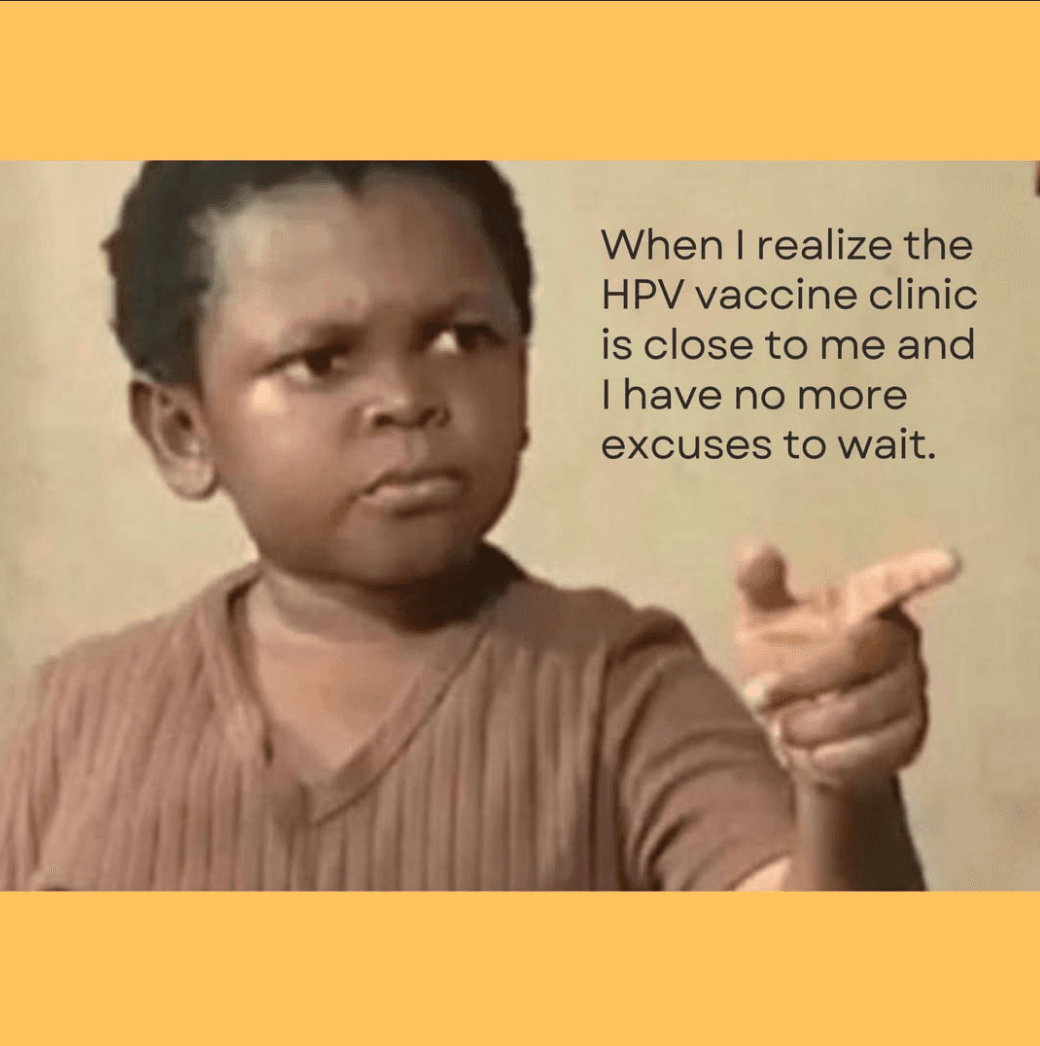
Most caregivers weren't anti-vaccine — they just didn't know where or when to go. Removing friction (showing locations, emphasizing it's free) was more effective than adding facts.
Prompt
Timely reminders for those ready to act, motivation boosts for the hesitant, and practical guidance for the willing-but-stuck. Each audience segment got the right nudge.
What We Learned
Video dominated
15x higher engagement than static images. The ten most-engaged assets of the campaign were all video.
Trusted messengers won
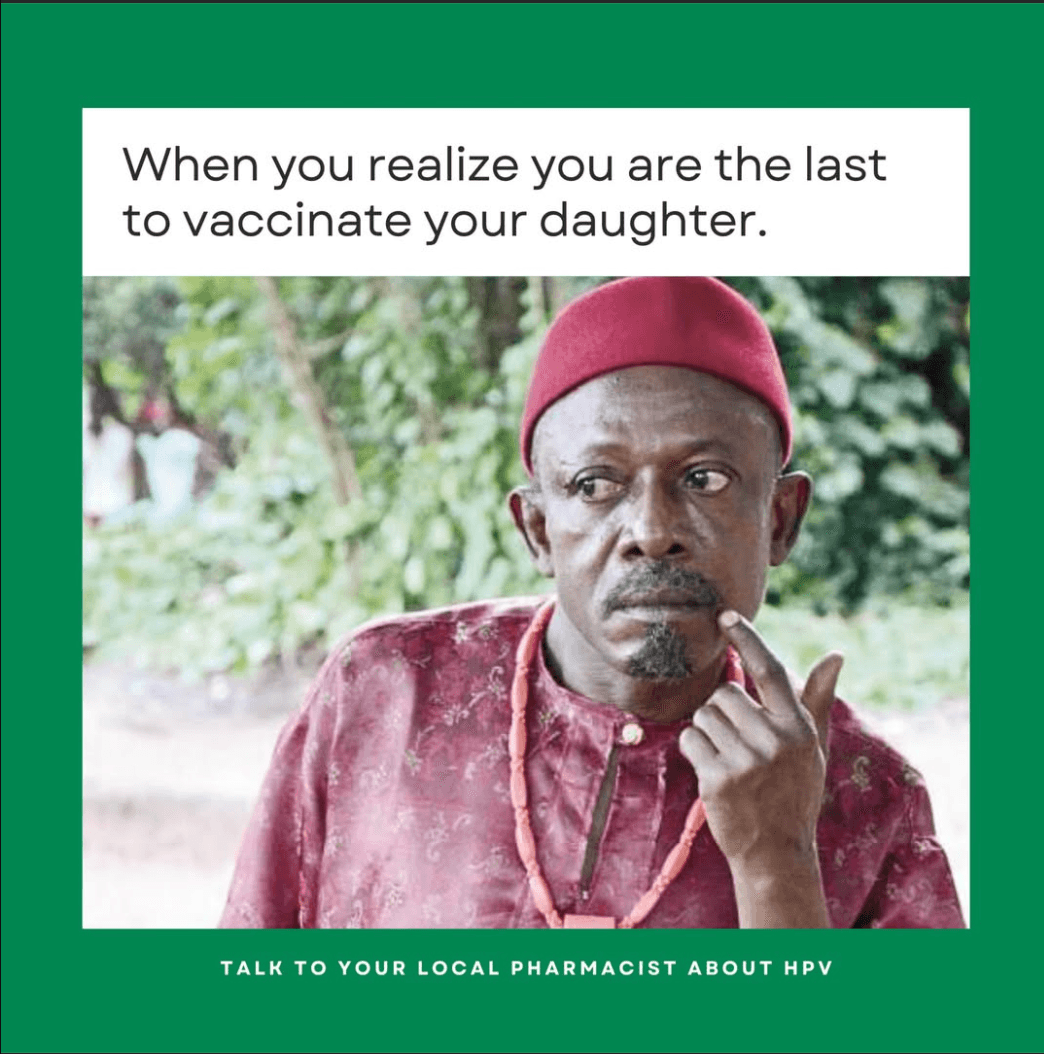
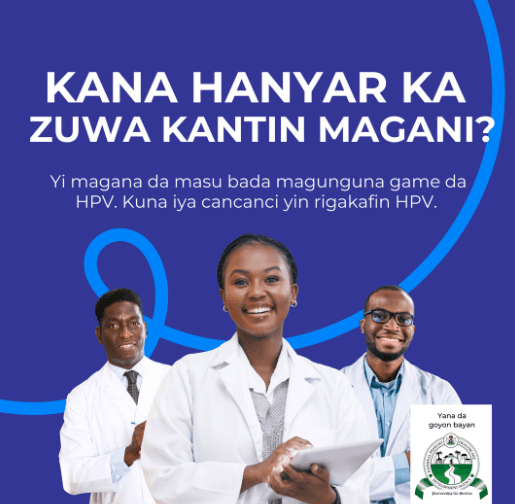
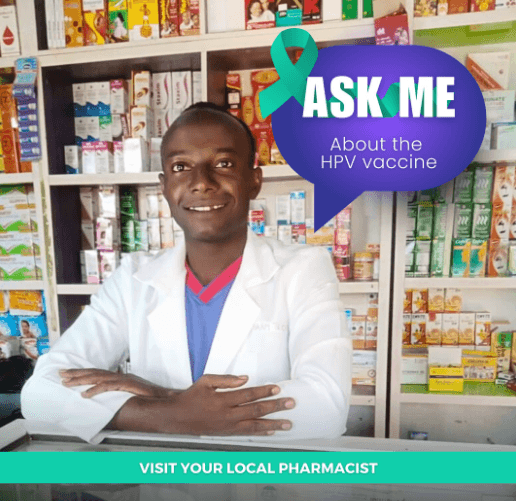
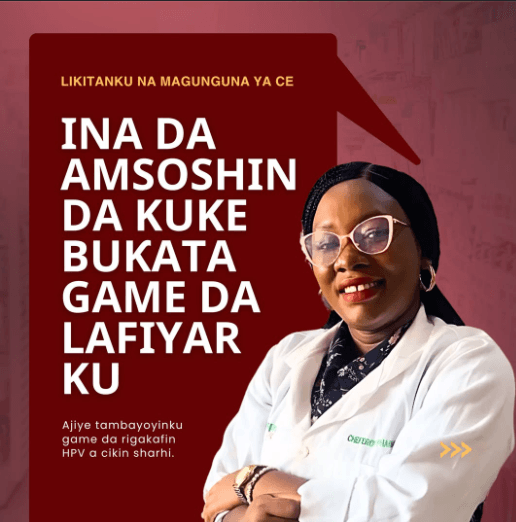
Local pharmacists and health workers drove more behavior change than celebrities or large influencers.
Cultural authenticity matters
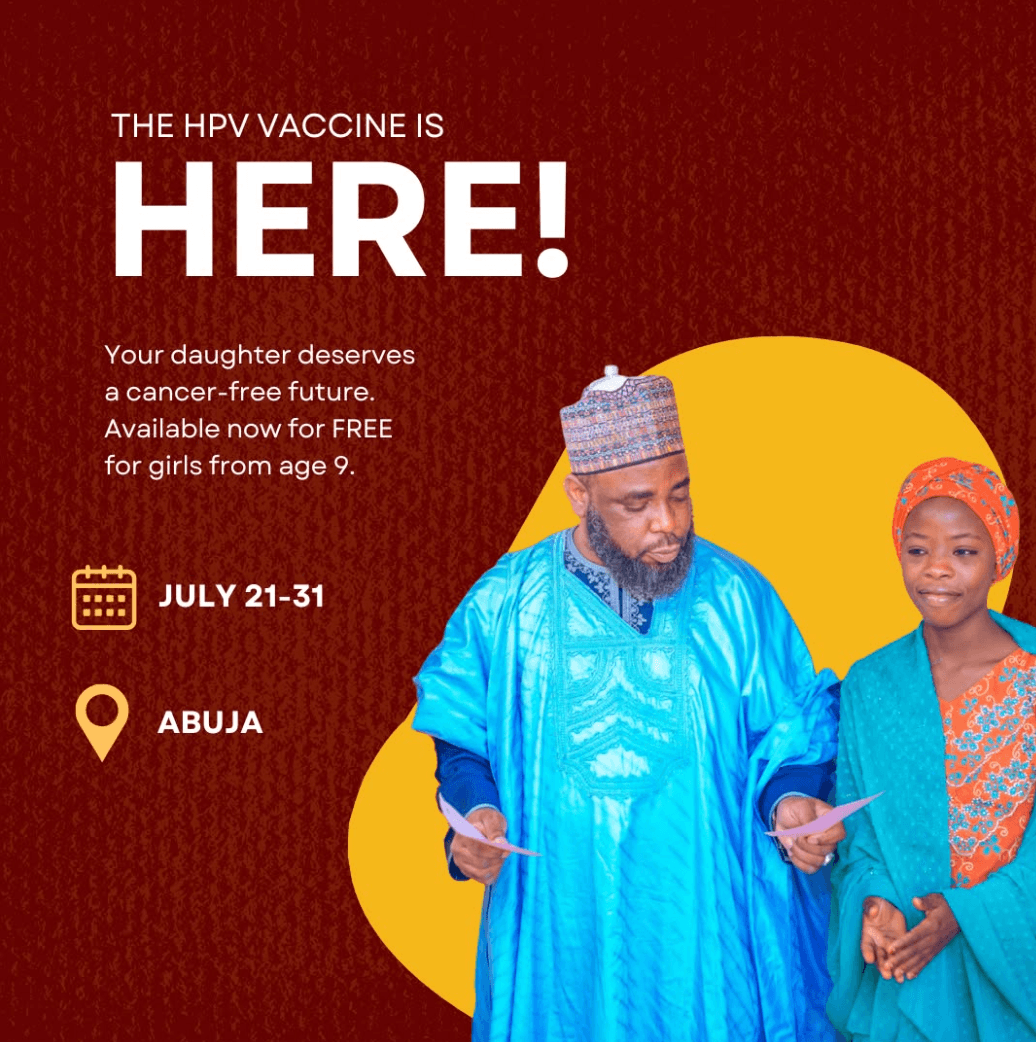
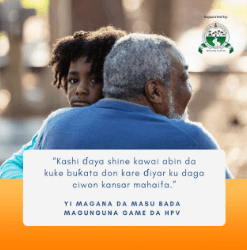
Traditional Nigerian clothing and local settings consistently outperformed Western stock imagery.
Code-switching resonated
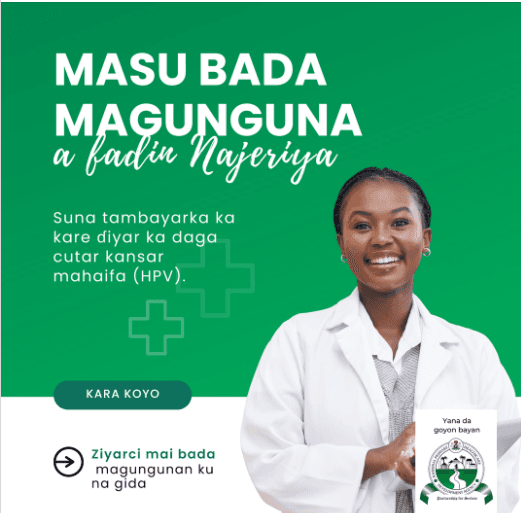
Mixing Hausa and local languages with English showed strong cultural resonance, especially in Northern Nigeria.
Hope over fear
Aspirational messaging about protecting futures consistently outperformed fear-based health warnings.
Authenticity over polish
Low-fi, phone-shot content from real community members outperformed polished, corporate-style production.
Partners
UpswellCapuletSLNIWellaHealthBehavioral Insights LabFamily Health Initiative
Funded by Advancing Health Online and Gavi, the Vaccine Alliance